
Knee surgery can be a life-changing decision for those suffering from chronic knee pain or injury. If you’re considering knee surgery, it’s important to understand your options and evaluate whether this treatment is the right choice for you. Here’s a comprehensive guide to help you make an informed decision about knee surgery.
This guide is brought to you by The Circle Care, a trusted medical facilitator helping international patients access healthcare in Egypt.
Who we are?
The Circle Care is a trusted medical facilitation platform that connects patients with Egypt’s leading hospitals, specialists, and treatment providers while offering end-to-end support throughout their healthcare journey. Explore our medical services and treatment packages to discover personalized healthcare solutions designed to make accessing quality medical care in Egypt simple, safe, and stress-free.
1. What is Knee Surgery?
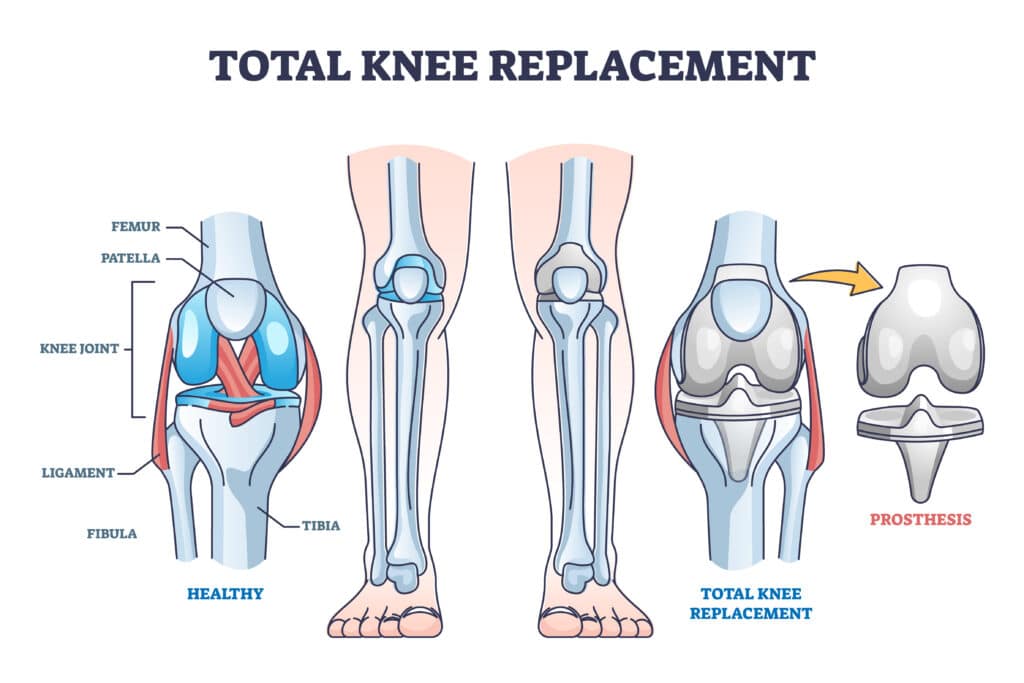
Knee surgery encompasses various procedures aimed at addressing problems within the knee joint. These procedures may include arthroscopy, partial knee replacement, or total knee replacement. The goal of knee surgery is to alleviate pain, improve function, and enhance the quality of life for individuals suffering from knee conditions.
2. Types of Knee Surgery
- Arthroscopy: A minimally invasive procedure where a small camera and surgical instruments are inserted through tiny incisions in the knee. This technique is often used to diagnose and treat issues such as torn cartilage or damaged ligaments.
- Partial Knee Replacement: This surgery involves replacing only the damaged part of the knee with an artificial joint. It’s typically recommended for patients with arthritis confined to one area of the knee.
- Total Knee Replacement: In this procedure, the entire knee joint is replaced with an artificial joint. It’s generally recommended for patients with severe arthritis or extensive joint damage.
3. How to Determine if Knee Surgery is Right for You
Before deciding on knee surgery, consider the following factors:
- Severity of Symptoms: Evaluate the extent of your knee pain, stiffness, and functional limitations. If conservative treatments like physical therapy, medications, or injections haven’t provided relief, surgery might be considered.
- Impact on Daily Life: Assess how knee problems affect your daily activities and quality of life. If knee pain is significantly limiting your ability to perform routine tasks, surgery might be a viable option.
- Overall Health: Your general health and any underlying medical conditions can influence your suitability for knee surgery. A thorough evaluation by your orthopedic surgeon will help determine if you’re a good candidate for surgery.
4. What to Expect Before and After Knee Surgery
- Pre-Surgery: Prior to surgery, you’ll undergo a comprehensive assessment, including imaging tests and consultations with your orthopedic surgeon. You may also need to prepare by strengthening the muscles around your knee and addressing any health issues.
- Post-Surgery: After knee surgery, you’ll typically need a period of rehabilitation, which may include physical therapy to restore strength, flexibility, and function. Recovery times vary based on the type of surgery and individual health factors.
5. Benefits and Risks of Knee Surgery
- Benefits: Knee surgery can provide significant pain relief, improve joint function, and enhance overall mobility. For many patients, surgery leads to a better quality of life and increased ability to participate in activities they enjoy.
- Risks: As with any surgery, knee surgery carries potential risks, including infection, blood clots, and complications related to anesthesia. Discuss these risks with your surgeon to make an informed decision.
Conclusion
Deciding whether knee surgery is right for you involves a careful evaluation of your symptoms, overall health, and the potential benefits and risks of the procedure. Consulting with an experienced orthopedic surgeon can help you understand your options and determine the most appropriate treatment plan for your specific condition.
Frequently Asked Questions (FAQ)
1. What are the different types of knee surgery available?
Knee surgery encompasses several types of procedures, including arthroscopy, partial knee replacement, and total knee replacement. Arthroscopy is a minimally invasive procedure for diagnosing and treating knee issues, while partial knee replacement involves replacing only the damaged part of the knee. Total knee replacement replaces the entire knee joint with an artificial one.
2. How do I know if knee surgery is the right option for me?
Determining if knee surgery is suitable involves evaluating the severity of your symptoms, the impact on your daily life, and your overall health. If conservative treatments like physical therapy and medication have not provided sufficient relief, and knee pain significantly affects your ability to perform daily activities, knee surgery might be a viable option.
3. What should I expect during the recovery period after knee surgery?
Post-surgery recovery typically involves a rehabilitation period that may include physical therapy to regain strength, flexibility, and function in the knee. Recovery times vary based on the type of knee surgery and individual health factors. It’s essential to follow your surgeon’s recommendations for a successful recovery.
4. What are the potential risks associated with knee surgery?
Knee surgery, like any surgical procedure, carries potential risks such as infection, blood clots, and complications related to anesthesia. It’s important to discuss these risks with your orthopedic surgeon to understand the potential complications and make an informed decision about proceeding with the surgery.
5. How long does it take to see results after knee surgery?
The timeline for seeing results after knee surgery varies depending on the type of procedure and individual healing processes. Many patients experience pain relief and improved function within weeks to months following surgery. Your orthopedic surgeon will provide a more specific timeline based on your condition and the type of knee surgery performed.
Contact Us Today
If you would like to learn more about the cost of medical treatment in Egypt, receive a personalized medical consultation, or need assistance choosing the right hospital and specialist, the The Circle Care team is here to support you every step of your healthcare journey.
You can contact us directly via WhatsApp for a quick consultation and answers to all your questions regarding treatment options, accommodation, medical appointments, and healthcare services.
To explore the average costs of medical procedures and treatments in Egypt, please visit our Medical Price List in Egypt.
Our Partner Hospitals and Medical Centers
The Circle Care collaborates with a carefully selected network of leading hospitals and medical centers across Egypt to provide local and international patients with access to high-quality healthcare services. Our partners include private, public, military, and specialized healthcare institutions recognized for their medical expertise, advanced technology, and commitment to international standards of patient care.
Featured Hospital Partners
- Air Force Specialized Hospital
One of Egypt’s leading military hospitals, located in New Cairo, offering advanced diagnostic, medical, and surgical services across multiple specialties using state-of-the-art medical technology.
- New Cairo Hospital – Ministry of Interior Medical Services Sector
A distinguished healthcare facility providing comprehensive medical and diagnostic services as part of the Ministry of Interior’s Medical Services Sector.
- Town Hospital
A modern private hospital offering multidisciplinary healthcare services through a team of experienced consultants and specialists, with a strong focus on quality care and patient safety.
- Sheikh Zayed Specialized Hospital
One of Egypt’s leading tertiary referral hospitals, affiliated with the Specialized Medical Centers Organization, providing advanced healthcare services across a wide range of medical and surgical specialties.
- Baheya Foundation & Hospital
A leading non-profit institution dedicated to the early detection and treatment of breast cancer, offering comprehensive women’s healthcare services based on internationally recognized treatment protocols.
Additional Services
1. Egypt Entry Visa Support
We help international patients prepare for their medical journey by providing guidance on travel requirements and Egypt’s visa application process, ensuring a smooth and hassle-free arrival before treatment begins.
Apply through the official Egypt e-Visa Portal.
2. Medical Fellowships & Professional Training
At The Circle Care, our support extends beyond patient coordination. We also assist physicians and healthcare professionals seeking to advance their careers through clinical fellowships, postgraduate education, and specialized training programs at Egypt’s most prestigious medical institutions.
Leading Academic Institutions
- Kasr Al Ainy Faculty of Medicine – Cairo University
One of the oldest and most prestigious medical schools in the Middle East, offering a wide range of postgraduate degrees, clinical fellowships, and medical training programs.
- Egyptian Fellowship Board
The official authority under Egypt’s Ministry of Health and Population responsible for accredited Egyptian Fellowship programs, providing structured postgraduate medical training that meets high professional standards.